

What Causes Shingle Curling and Cracking?
Shingle curling and cracking are typical roof issues in Gouverneur, NY, largely driven by the climate and aging materials. Both problems signal that shingles are no longer performing as they should, potentially exposing homes to leaks and further damage.
Curling happens when shingles warp or lift at the edges or corners. Cracking appears as visible splits running through the surface. These issues are usually caused by:
- Repeated freeze-thaw cycles common in northern New York’s winters
- Intense summer sun and ultraviolet (UV) exposure
- Age and natural material breakdown
- Poor attic ventilation that can trap heat and moisture under roofing
- Inadequate or improper installation
Local roofs endure frequent temperature swings and heavy winter snow loads, both of which can accelerate the aging process and make these problems more common.
How Can Homeowners Spot the Early Signs?
Finding these problems early helps prevent expensive repairs. Area homeowners should periodically check for:
- Shingles curling upward at the edges or corners
- Flat sections with visible ridges, bumps, or waves
- Cracks (fine lines or deeper splits) across shingle surfaces
- Discoloration or dark streaks, which can signal water infiltration
- Granules collecting in gutters — a sign shingles are losing their protective layer
Spring and late summer are good times for these inspections, as snow, ice, or fallen leaves can obscure damage in other seasons. Use binoculars from the ground or look from a window if the roof is not safely accessible.
What Risks Do Curling and Cracking Pose in the Local Climate?
Both curling and cracking reduce a roof’s ability to shed water. In Gouverneur, ice damming is a genuine threat when melted snow refreezes at the roof’s edge. Water can then back up under curled or cracked shingles, leading to:
- Roof deck or attic moisture damage
- Mold growth inside insulation or on wood framing
- Rotting roof boards and interior staining
Cracked shingles can also break free in windstorms, which occur regularly in the region, leaving bare patches vulnerable to rain and snow.
Can Shingle Curling or Cracking Be Repaired, or Do They Require Replacement?
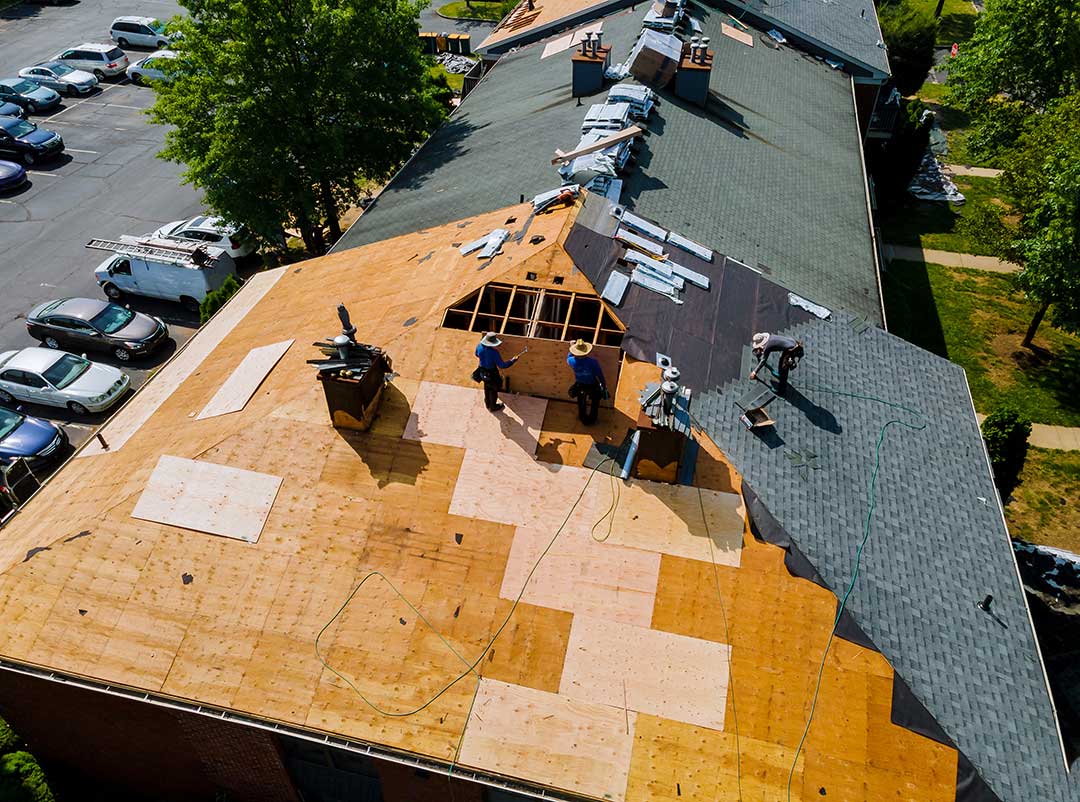
Small, isolated areas of curling or cracking can sometimes be repaired, but widespread or severe damage often requires shingle replacement. For minor cases:
- Re-secure curled shingles with roofing adhesive or nails if they’re otherwise intact
- Apply roofing sealant to hairline cracks to help prevent water infiltration
- Replace individual cracked or missing shingles if the rest of the roof is in good shape
If large sections of the roof show advanced curling, cracking, or missing granules, replacement may be the more practical long-term solution. In Gouverneur, patch repairs on an aging roof may not withstand the area’s harsh winters or heavy spring rains for long.
What Preventive Steps Reduce Curling and Cracking Locally?
A few steps can extend the roof’s life and delay these problems:
- Maintain proper attic ventilation to reduce heat and moisture buildup under the roof deck
- Keep gutters and downspouts clear so water flows off the roof efficiently
- Trim overhanging branches to reduce roof shade and minimize organic debris
- Remove moss or algae promptly, as both can accelerate shingle wear
When planning future roofing work, choosing shingles rated for cold climates and UV resistance can also help mitigate these issues.
What Are Common Misconceptions About Fixing Curled or Cracked Shingles?
Many believe that small cracks or curls are purely cosmetic, but even minor shingle distortion can lead to leaks. Another misconception is that plastic cement alone will fix extensive curling — temporary adhesives can fail in extreme temperatures, a common occurrence locally.
It’s also easy to confuse surface cracks with "crazing," a harmless weathering pattern sometimes found on older shingles. True cracks penetrate the shingle and allow water in, while crazing does not.
When Is It Unsafe to Address Roof Issues Without Professional Help?
Most shingle repairs require working at heights. If the roof is steep or icy, or if there are signs of extensive rot or hidden moisture (such as soft spots or bowing), the risk of falls or further damage increases significantly. In these cases, it is safest for residents to avoid climbing onto the roof themselves.
