

How Do Flat and Sloped Roofs Differ in Everyday Use?
Flat and sloped roofs have distinct physical shapes, and their differences affect how a roof performs throughout its lifespan. Flat roofs, while not perfectly level, have only a slight pitch for drainage. Sloped roofs are visibly angled and most commonly seen on single-family homes throughout Gouverneur.
The primary difference is how each style handles water, snow, and debris. Sloped roofs shed water and snow more efficiently due to gravity. Flat roofs collect precipitation longer and depend on drains or scuppers to remove water. The architecture of many homes in the city favors sloped roofs, but some postwar buildings, garages, sheds, and certain additions may have flat roofs for cost or design reasons.
Which Roof Type Handles Snow and Weather Better in Gouverneur?
Sloped roofs usually perform better in harsh winters. The significant snowfall common in Gouverneur puts stress on any roof system. Steep slopes help snow slide off, reducing buildup that can lead to leaks or structural stress.
Flat roofs are more vulnerable to snow accumulation. When snow piles up, it adds weight and—if not removed—can increase risks of leaks or localized collapse. Special attention to insulation and drainage is necessary for flat roofs here. Homeowners should make plans for periodic snow removal following heavy storms to avoid problems.
Are Flat Roofs or Sloped Roofs More Common in the Area?
Most residential properties in Gouverneur have sloped roofs, particularly gable, hip, or a combination. This tradition stems from the region’s long, snowy winters and frequent rainstorms. Flat roofs are more common on commercial buildings, some modern homes, and additions or garages. When considering major renovations or new construction, understanding the landscape of existing roof types in the city can help inform appropriate choices for both function and resale.
What Are the Maintenance Differences?
Maintenance needs depend largely on the roof’s structure and how it interacts with local weather:
- Flat roofs need regular inspection for ponding water, blocked drains, cracks in membranes, and signs of slow leaks.
- Sloped roofs should be checked for missing or damaged shingles, flashing issues, and blocked gutters.
- In both systems, severe winds can cause damage, but flat roofs are slightly more vulnerable to wind uplift at the edges if not properly secured.
Residents with flat roofs must remain vigilant, especially after freeze-thaw cycles, to avoid water intrusion. Sloped roofs are often lower maintenance, especially when built with durable materials like architectural shingles or metal, but ice damming from roof valleys or improper ventilation remains a concern during the coldest months.
How Does Roof Shape Affect Home Design and Usable Space?
Flat roofs can allow for additional usable space, such as rooftop decks, green roofs, or solar installations—features that may appeal to homeowners looking to maximize smaller lots or enjoy outdoor living when the weather allows. They may also make future expansions of one-story structures easier.
Sloped roofs typically create attic space, which can be finished for storage or living areas. The visual profile of sloped roofs can blend more naturally with the existing look of most neighborhoods in Gouverneur and may increase curb appeal.
Are There Local Considerations When Choosing Between Flat and Sloped Roofs?
Yes—Gouverneur’s climate, typical home age, and residential layout all factor in. The city experiences several months of snow, significant rain, and rapid temperature changes. Most existing homes are built with sloped roofs for these specific reasons. Zoning regulations or local codes may also restrict certain roof types on new builds or require minimum slopes for drainage. Prospective homeowners or those considering an addition should confirm that their preferred roof design suits the lot, intended use, and local regulatory standards.
Is One Roof Type Cheaper or More Durable Over Time?
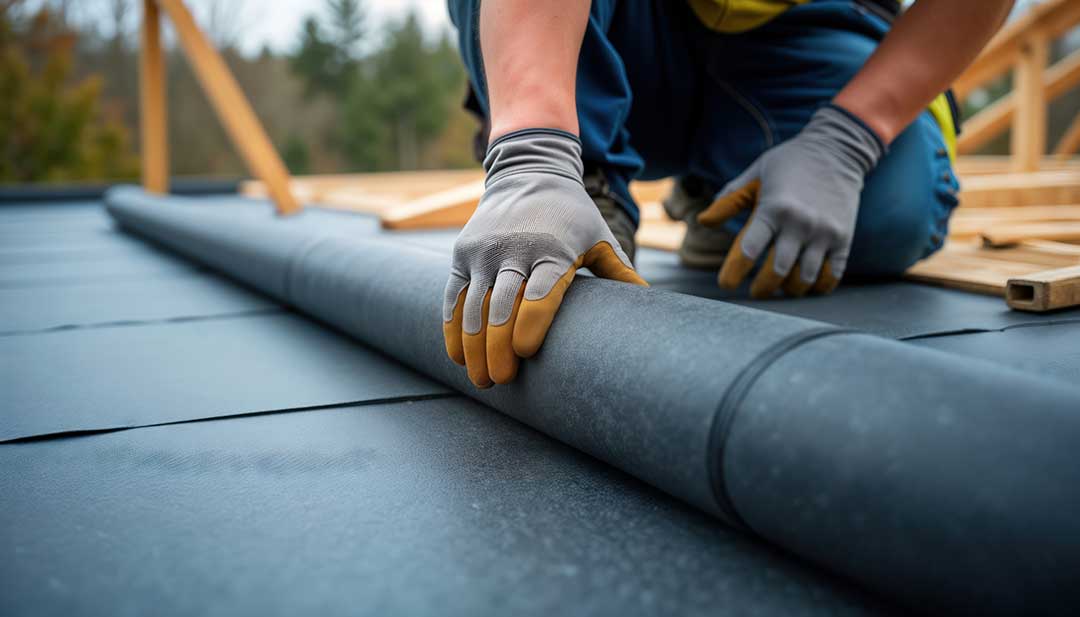
Initial construction costs for flat roofs can be lower, especially on simple structures, due to less framing and fewer materials. However, shorter lifespans and higher maintenance costs can outweigh this benefit, especially in climates like the one in the city.
Sloped roofs tend to last longer with less frequent repair, particularly if they’re built with high-quality shingles or metal. Insurance premiums may also be lower for homes with sloped roofs due to lower perceived risk of water damage.
What Do Residents Typically Overlook When Deciding?
Residents sometimes underestimate:
- The importance of insulation and ventilation for either roof type. Without these, both systems can develop attic condensation, mold, or ice damming.
- The frequency of maintenance required for flat roofs—clogged drains or small tears can quickly turn into bigger problems after a single heavy rain or snowmelt.
- Future resale value. Homes with sloped roofs typically fit the expectation of buyers in Gouverneur, while flat roofs may appeal mostly to buyers looking for a certain architectural style or specific features.
How Should Homeowners Approach Repairs on Each Roof Type?
Most basic shingle or membrane repairs can be handled by a knowledgeable homeowner. However, due to the potential for rapid water damage or safety issues, major structural repairs, full roof replacements, or work requiring navigation on icy or steep surfaces are best left to qualified professionals—especially after significant storms.
