
Choosing a roofing contractor is not only a matter of comparing prices. The right choice depends on licensing and insurance practices, construction knowledge, written documentation, communication, and the contractor’s ability to account for local weather and building conditions.
For homeowners in Gouverneur, NY, roofing decisions often involve snow, freeze-thaw cycles, wind, ice buildup, and older housing materials. A contractor who understands those conditions should be able to explain how the proposed work addresses them rather than relying on a standard package for every property.
What should be checked before hiring a roofing contractor?
Before signing an agreement, verify the contractor’s identity, insurance coverage, references, written scope of work, and approach to safety. A trustworthy contractor should be willing to provide clear information without pressuring a homeowner to make an immediate decision.
Ask for:
- The contractor’s legal business name and contact information
- Proof of general liability insurance
- Proof of workers’ compensation coverage for employees
- References for comparable roofing projects
- A written description of the proposed work
- Payment terms and warranty details
- Information about permits, inspections, and debris removal
Insurance matters because roofing involves fall hazards, ladders, tools, and material handling. If a worker is injured or property is damaged, unclear insurance arrangements can create serious complications for the homeowner.
A contractor who avoids basic documentation, requests a large cash payment before work begins, or provides only a verbal price deserves additional scrutiny.
How can a homeowner compare roofing estimates fairly?
Roofing estimates should be compared by scope, materials, labor, preparation, and cleanup—not only by the final dollar amount. Two estimates that appear similar may cover very different levels of work.
A detailed written estimate should explain:
- Whether the proposal covers repair, reroofing, or complete removal
- The type, grade, and expected service life of roofing materials
- The number of underlayment layers and where they will be installed
- Whether damaged decking will be replaced and how that work will be priced
- Treatment of flashing around chimneys, walls, vents, and roof edges
- Ventilation improvements or limitations
- Ice-barrier requirements in areas vulnerable to ice damming
- Removal and disposal of old roofing materials
- Protection for siding, landscaping, windows, vehicles, and walkways
- Estimated start and completion conditions
- Payment schedule and change-order procedures
The lowest estimate may exclude necessary preparation or use allowances that later increase the price. A higher estimate is not automatically better, either. The useful comparison is whether each contractor has identified the same roof problems and proposed a similar standard of work.
What questions should be asked about roofing experience?
Experience should be relevant to the roof being evaluated. A contractor may have extensive experience with simple asphalt-shingle roofs but less experience with steep slopes, low-slope sections, metal roofing, slate, or older structures.
Useful questions include:
- How many roofs with a similar design have been completed?
- What problems are common with this type of roof?
- How will hidden damage be handled?
- What weather conditions would delay installation?
- How will materials be stored and protected?
- Who will supervise the work?
- Will subcontractors be used?
- How will ventilation be evaluated?
- What work is excluded from the proposal?
The answers should be specific. For example, a reliable explanation of ventilation may address intake and exhaust airflow, not merely promise to install more vents. A discussion of snow and ice should recognize that roof design, insulation, attic airflow, gutters, and interior heat loss can all affect winter problems.
Should references and online reviews be trusted?
References and reviews can help, but neither should be treated as complete proof of quality. A small number of detailed, consistent references is often more useful than a long list of vague testimonials.
When speaking with a reference, ask:
- Was the written scope followed?
- Were unexpected costs explained before extra work began?
- Did the crew protect the property?
- Was cleanup thorough?
- Did the contractor communicate schedule changes?
- Were warranty or repair questions handled afterward?
Online reviews may reveal patterns involving communication, cleanup, delays, or billing. They should be read for repeated themes rather than isolated praise or criticism. Reviews do not replace verification of insurance, contract terms, and actual roofing practices.
What are warning signs of an unreliable contractor?
Certain practices should cause a homeowner to pause before moving forward. Warning signs include high-pressure sales tactics, vague estimates, unwillingness to provide insurance information, and promises that seem inconsistent with the roof’s condition.
Be cautious if a contractor:
- Claims that a temporary storm offer is expiring immediately
- Insists on inspecting the roof only from inside the home or only from the ground
- Wants full payment before materials arrive or work begins
- Cannot explain what happens if hidden damage is discovered
- Offers a price far below comparable written proposals
- Uses unclear warranty language
- Demands payment for work not included in the agreement
- Refuses to provide a written contract
- Says permits or inspections are never necessary without checking applicable requirements
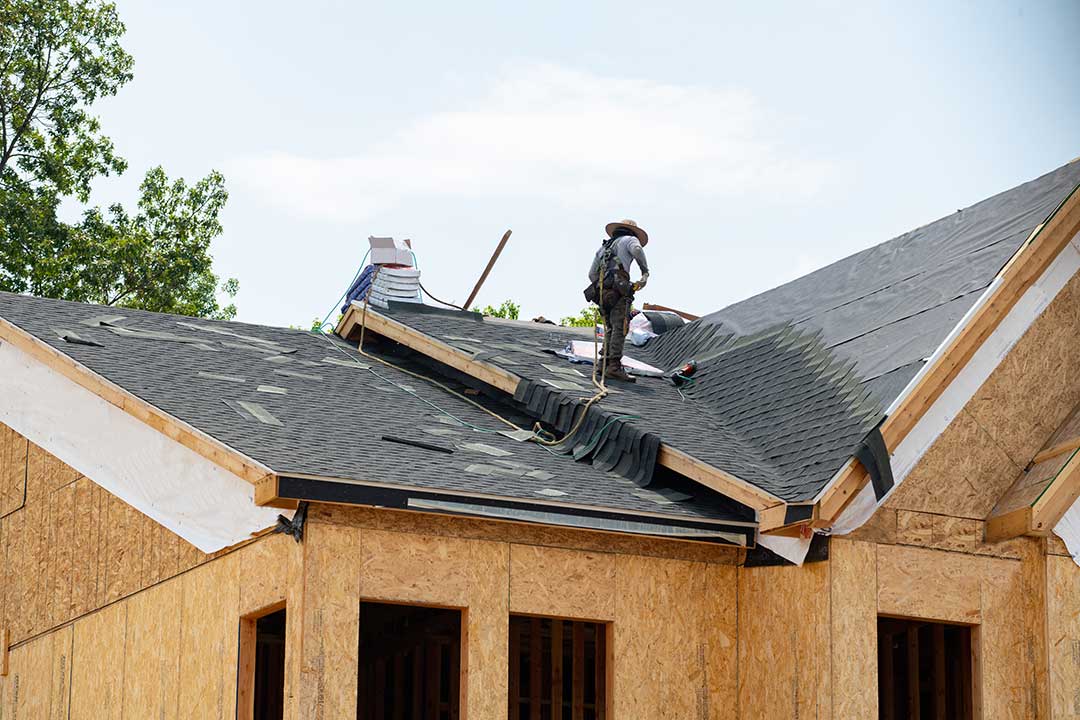
Storm-related roof work deserves special care. After wind or hail, a homeowner may be approached by people offering quick repairs. Documentation, insurance verification, and a written scope remain important even when the roof appears to need urgent attention.
How should the contract describe the work?
A roofing contract should be understandable to someone who is not familiar with construction terminology. It should identify the property, describe the work, list materials, state the price, and explain responsibilities if conditions change.
Look for provisions covering:
- Start and completion expectations
- Weather delays
- Hidden decking or structural damage
- Changes requested by the homeowner
- Payment stages
- Cleanup and disposal
- Damage to landscaping or other property
- Workmanship warranties
- Manufacturer material warranties
- Procedures for reporting problems
A contract should not give the contractor unlimited authority to add charges without approval. If a change is needed, the added work and price should be documented before it proceeds whenever practical.
Homeowners should keep the contract, estimate, payment records, photographs, warranty documents, and written communications together. These records can be useful for maintenance, resale, insurance questions, or future repairs.
What local conditions should a roofing contractor understand?
The climate in Gouverneur includes conditions that can test roofing systems over time. Snow accumulation adds weight, while repeated freezing and thawing can stress flashing, fasteners, sealants, and exposed roof edges. Ice dams may develop when heat escapes into a cold attic and melts snow unevenly.
A contractor should consider:
- Roof pitch and areas where snow may accumulate
- Attic insulation and ventilation
- Flashing around chimneys, walls, and penetrations
- Gutter placement and drainage
- Roof sections sheltered by trees or adjoining structures
- Older decking or previous layers of roofing
- Safe winter access and material handling
- Seasonal limits on installation and sealant performance
These issues do not mean every roof needs the same upgrades. The appropriate work depends on the building’s design, existing materials, condition, and drainage patterns. A good evaluation explains why a recommendation is being made.
When is a roofing contractor needed immediately?
Urgent evaluation is appropriate when water is entering the home, the roof has visible structural sagging, large sections of material are missing, a chimney or vent flashing has failed, or a tree has struck the roof. Electrical hazards, exposed interior wiring, and unstable ceilings require particular caution.
Until the roof can be assessed, avoid climbing onto it. From the ground or from a safe interior location, document visible damage with photographs. Place containers under active leaks, move furnishings away from water, and avoid disturbing damaged areas if an insurance inspection may be necessary.
For less urgent concerns—such as curling shingles, recurring attic moisture, moss growth, or aging flashing—written evaluations from more than one qualified contractor can help distinguish maintenance from replacement.
The strongest hiring decision is usually based on clear documentation, relevant experience, realistic scheduling, safe work practices, and a contract that explains both the expected work and the unexpected possibilities. Price matters, but it should be considered alongside the quality and completeness of the proposed roofing system.
