

Can Sun Exposure Really Damage a Roof Over Time?
Yes, extended exposure to sunlight can gradually wear down roofing materials, even in climates like Gouverneur, NY’s, where there are harsh winters and strong summer sunshine. The effects develop slowly but can shorten a roof’s lifespan if not anticipated and managed. Most local roofs experience a mix of seasonal extremes: direct summer sun, frigid winters, and periods of freeze-thaw—all of which interact to shape the process of roof aging.
How Does UV Radiation Affect Different Roofing Materials?
Ultraviolet (UV) rays from the sun are a major factor in roof deterioration. UV exposure does not need especially hot days; it is present year-round whenever there is direct sunlight, even in winter.
- Asphalt shingles, commonly used throughout the city, can become brittle with constant UV exposure. Over time, their top layer—the granules that protect the underlying material—can be bleached or loosened, leading to patchy surfaces and loss of water resistance.
- Metal roofing generally resists direct UV breakdown but may lose its protective coating. Fade or "chalking" (a powdery residue) can develop, especially on south and west-facing slopes.
- Wood shakes or shingles may dry out faster than anticipated. Persistent sun causes the surface fibers to break down, causing cracks or a “washed out” appearance.
- Synthetic and rubber-based roofing materials can also degrade from repeated sun and weather cycles, leading to surface cracks.
Material choice and how each type is manufactured and installed locally plays a significant role in how sun-related damage appears and progresses.
What Signs Suggest Sun-Related Roof Aging?
Typical symptoms of roof aging due to sun include fading, dryness, curling edges, and shingle granule loss. In Gouverneur, such changes might be noticed first on roof sections facing south or southwest—directions that catch the most intense sunlight during the long summer days.
- Look for visibly discolored or uneven patches.
- Check for brittle or curling shingle edges—often a result of repeated heating and cooling.
- Inspect gutters and downspouts for granules, as their presence in runoff may indicate accelerated wear.
- On flat or low-slope roofs, sun damage may appear as buckling or alligatoring (tiny surface cracks).
It's common for residents to mistake these warning signs for “old age” when, in reality, sun exposure is the underlying cause.
Are There Local Factors that Make Sun Damage More Likely in Gouverneur?
Several conditions combine in Gouverneur to shape how sunlight affects roofing:
- Long summer daylight hours and numerous clear, sunny days can give roofs sustained solar exposure despite the city’s cold winters.
- Lake-effect weather from nearby bodies of water leads to frequent thaw-freeze cycles. These cycles, coupled with sun, can intensify material fatigue, especially for older asphalt roofs.
- Trees may provide shade for some homes, but houses in open areas or with south-facing roofs get more direct sun.
- Weathered or lighter-colored roofing, which reflects rather than absorbs sunlight, may show less thermal expansion cracking but can still be susceptible to UV breakdown.
How Do Temperature Fluctuations Work with Sunlight to Impact Roofs?
The daily and seasonal swing between hot sun and chilly evenings is notable in this region. Roofing materials constantly expand under sunlight and contract when temperatures fall, which can compound aging.
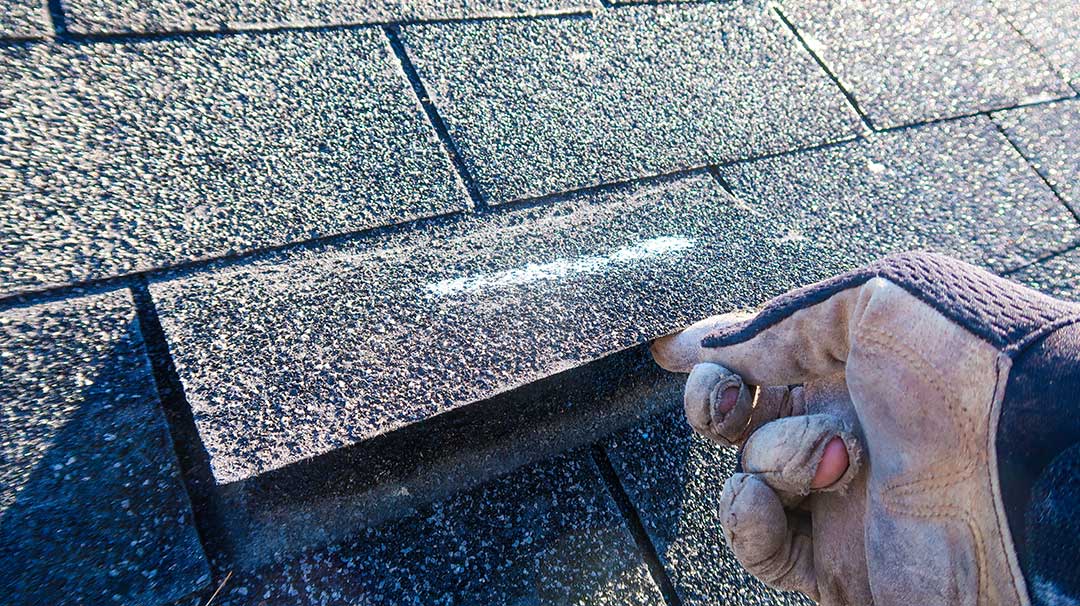
- Repeated expansion and contraction (thermal cycling) can make both shingles and flashing materials crack, warp, or pull away from their mountings.
- Flashing around chimneys or vents may become loose, opening potential entry points for water after periods of strong sun followed by rapid cooling.
These effects don’t usually cause issues after a single hot afternoon but accumulate incrementally, lowering the useful life of many commonly used roofing materials.
What Maintenance Steps Help Counteract the Effects of Sun Exposure?
Area households can take several practical measures to minimize long-term sun-related roof damage:
- Regular inspections each spring and fall to check for early signs of deterioration, especially after a particularly hot summer.
- Cleaning gutters, as clogged drainage can allow damaged granules and debris to build up, trapping heat and moisture.
- Promptly replacing damaged or missing shingles to prevent further exposure of the roof deck to UV rays.
- If reroofing, considering UV-resistant materials or reflective coatings can enhance durability.
- Pruning trees to balance shade and airflow without leaving roofing permanently shaded and moist, since excess shade can foster moss or algae growth.
What Are the Most Common Misconceptions Among Local Homeowners?
Some residents assume the main threat to their roofs during summer is rain or hail, overlooking the long-term, cumulative impact of constant sun even on “cool” or breezy days. Another misconception is that only dark-colored roofs are at risk—while they do absorb more heat, any roofing material can degrade under sustained UV exposure.
It’s also common to expect only the oldest roofs to show sun-related damage. In reality, even relatively new installations may show early signs if installed incorrectly or subjected to unusually intense sun.
When Should Safety or Code Concerns Prompt Professional Attention?
Physical inspection for sun aging—like climbing ladders or walking on steep roofs—carries risks. Anyone uncomfortable with heights or unsure of structural stability should not attempt this work themselves. Large areas of curling, cracking, or granule loss can expose the underlying roof deck to leaks and water damage, which may trigger code-related repairs, especially following local storm events.
