
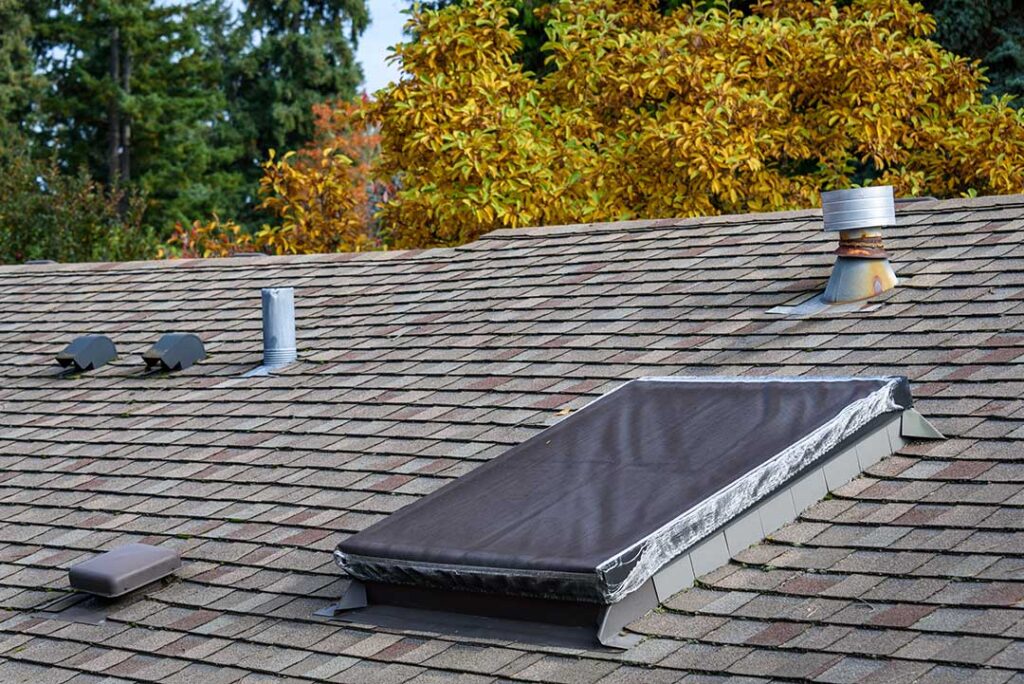
A small roof defect rarely stays small. Missing shingles, loose flashing, blocked drainage, and minor leaks can allow water, wind, and freezing temperatures to damage parts of a home that are much more expensive to repair than the original roofing problem.
For households in Gouverneur, where roofs must handle snow, ice, rain, wind, and repeated freeze-thaw cycles, delayed repairs can create problems both inside and outside the home.
How can a minor roof leak become major damage?
A roof leak may begin around a single damaged shingle, nail, vent, chimney edge, or flashing joint. Water can then travel along roof decking, rafters, insulation, and ceiling materials before appearing as a stain indoors. The visible mark may be far from the actual entry point.
Continued moisture can lead to:
- Swollen or weakened roof decking
- Damp insulation that loses effectiveness
- Peeling paint and damaged drywall
- Staining on ceilings and walls
- Musty odors
- Mold growth when moisture remains trapped
- Damage to wiring or light fixtures near the leak
A ceiling stain should not be treated as merely cosmetic. Even if the area dries after a storm, the roof may still be allowing water into the building during certain wind directions or rainfall patterns.
Why is winter weather especially hard on neglected roofs?
Snow and ice add weight and increase the consequences of existing weaknesses. A roof that appears acceptable during mild weather may perform poorly after several snowfalls or a prolonged period of freezing temperatures.
Ice dams are a common winter concern. They form when heat escapes into the attic and melts snow on the warmer upper portions of a roof. The water can refreeze near colder eaves, creating a barrier that prevents proper drainage. Water may then move beneath roofing materials and into the roof edge, insulation, walls, or ceilings.
Neglected repairs can make this process worse. Damaged shingles, poor flashing, blocked drainage, and insufficient attic ventilation may give melting water more opportunities to enter the structure.
Heavy snow can also expose weaknesses in:
- Sagging roof sections
- Deteriorated roof decking
- Aging rafters or trusses
- Areas around skylights, vents, and chimneys
- Roof edges already damaged by ice
Snow should not be removed by walking on an unsafe roof. Steep slopes, icy surfaces, hidden weak spots, and falling snow create serious hazards.
Can wind damage lead to problems even if shingles are not missing?
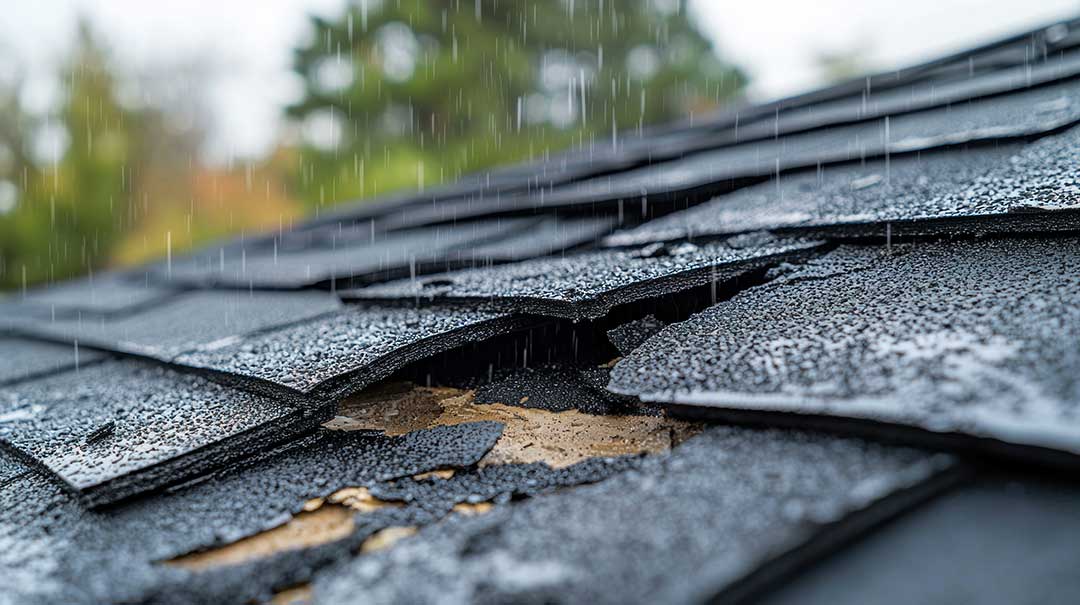
Yes. Wind does not need to remove an entire row of shingles to create a leak. It can lift edges, loosen fasteners, separate flashing, or damage seal strips. These defects may be difficult to see from the ground but can allow water beneath the roofing surface.
After a strong storm, warning signs may include:
- Shingles lying in the yard or near downspouts
- Uneven or raised shingle edges
- Exposed underlayment or roof decking
- Bent metal flashing
- Granules collecting heavily in gutters
- New leaks or ceiling stains
- Water entering around attic vents or roof penetrations
Wind-related damage can worsen during later storms. A loose shingle may remain in place for weeks and then fail during the next period of high winds.
What structural damage can result from postponing roof repairs?
The roof is part of the home’s structural enclosure. Once water reaches the wood beneath the shingles, it can gradually weaken roof decking and framing. Persistent moisture may cause wood to soften, split, or decay.
Structural concerns are more likely when a leak has continued unnoticed in an attic, around a chimney, or near a roof valley. A roof valley carries water from two slopes, so defects in that area can expose a large amount of the roof system to runoff.
Possible signs of deeper damage include:
- Sagging between rafters
- Bowed or discolored roof decking
- Crumbling wood
- Rusted fasteners
- Damp insulation
- Persistent attic humidity
- Doors or windows that begin sticking near an affected wall
Not every sag or stain means the entire roof is failing, but these conditions deserve prompt attention because surface repairs may not be enough if the underlying materials have deteriorated.
Why can neglected roof repairs affect indoor air quality?
Roof leaks increase indoor moisture. If wet insulation, drywall, wood, or other materials remain damp, mold and other microbial growth may develop. The risk depends on how much water entered, how long materials stayed wet, temperature, ventilation, and the type of material affected.
Musty odors, recurring stains, or worsening respiratory irritation can indicate an unresolved moisture problem, although odors alone cannot identify the source. Simply painting over a stain may hide evidence without drying or repairing the materials underneath.
Areas that deserve particular attention include:
- Attics with damp insulation
- Ceiling cavities below roof valleys
- Wall areas beneath flashing
- Rooms with repeated condensation or staining
- Spaces around roof-mounted vents and penetrations
If water has reached electrical components, the affected circuit should be treated cautiously. Do not touch wet fixtures, wiring, or outlets. Electrical hazards may remain after visible water disappears.
Does delaying repairs affect heating and cooling costs?
It can. Wet insulation performs poorly, and air leaks around roof penetrations or damaged attic areas can make indoor temperatures less stable. During winter, heat loss through an inadequately insulated or poorly sealed attic may contribute to snow melting on the roof and the formation of ice dams.
Summer moisture can also create problems. A damp attic may hold heat and humidity, placing more strain on cooling systems and increasing the chance of odor or material deterioration.
Roof repairs alone do not correct every energy problem. Attic insulation, ventilation, air sealing, and moisture control all influence how a roof performs. Still, unresolved roof damage can undermine those measures.
Which roof problems should be treated as urgent?
Some conditions require prompt action because they involve immediate safety or rapid water entry:
- Active water entering living areas
- A ceiling that is bulging or sagging
- Exposed electrical wiring near moisture
- A large section of missing roofing
- Structural sagging
- A fallen tree limb or other heavy impact
- Roof access blocked by ice or unsafe conditions
- Water entering near a chimney, vent, or attic opening during a storm
Place a container under a drip if it is safe, move belongings away from the affected area, and avoid standing beneath a visibly weakened ceiling. Do not climb onto a wet or icy roof to inspect it.
How can residents identify roof trouble before it spreads?
Routine observation from the ground and from accessible attic areas can reveal early warning signs. After severe weather, look for changes rather than attempting risky roof access.
Useful checks include:
- Inspecting ceilings and upper walls for new stains
- Looking into the attic for damp wood, daylight, or wet insulation
- Checking gutters for excessive shingle granules
- Watching for loose, curled, cracked, or missing shingles
- Examining flashing from a safe location
- Noting musty odors or recurring condensation
- Reviewing areas around chimneys, vents, skylights, and roof valleys
Roof problems are easiest to manage when identified before water reaches insulation, framing, wiring, or finished interior surfaces. In a northern climate with snow and freeze-thaw cycles, postponement can turn a limited repair into a more complicated building-maintenance issue.
